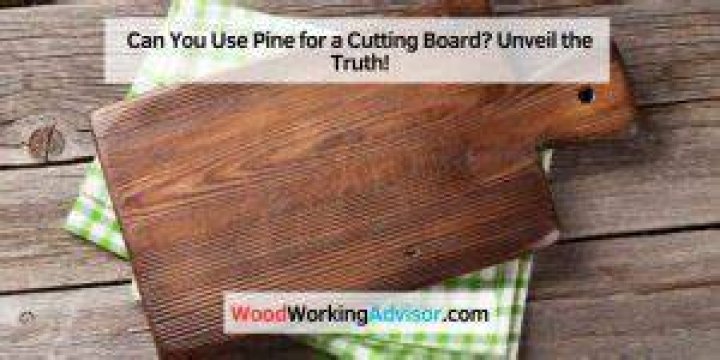
Can PINE be used for a cutting board?
 Marcus Reynolds
 .
Thereof, what is the best wood to use for a cutting board?
The main types of wood for cutting boards are maple, walnut, cherry, beech, teak, and bamboo (which is actually a hard grass).
One may also ask, is Pine safe for food? Denmark's food safety authority – Fødevarestyrelsen – has concluded that the use of the Nordic types of wood, such as beech, oak, pine and ash, in contact with food is without risk. Exemptions can be made in the production of traditional foods, so that coarse surfaces like woodwork can be used in contact with food.
In this way, how do you seal a pine cutting board?
To keep your cutting board in prime condition, seal it once a month with oil. Some oils, such as linseed and tung oil, harden the wood and seal it from the inside; other oils simply penetrate the surface of the wood, including walnut and mineral oil. Beeswax is also a viable alternative.
Can you make a cutting board out of any wood?
Dense hardwood lumber with a closed grain is the best wood for cutting boards. Some examples of dense hardwoods are maple, walnut and cherry. When you select your wood board, make sure it's free of warping, has a flat surface and doesn't have any blemishes or excessive knots on the surface.
Related Question Answers
What kind of wood should you not use on a cutting board?
I would avoid open-pored woods like ash and red oak, which will be harder to keep clean from food stains. Pine might impart a resinous taste, and it's soft so will show cutting scars from knives more easily than a harder wood like maple.What type of cutting board do chefs use?
Plastic cutting boards are the most often recommended by profesional chefs. Typically made from polyethylene, plastic boards are durable and last long. They can be washed easily by hand or in a dishwasher. They're relatively okay on knives but not as good as wood or bamboo.How thick should a cutting board be?
The thickness of a board will depend on the make and type of material that is being used. Standard thickness for cutting boards range from 1 1/4-inches to 2 1/4-inches.How do you seal a homemade cutting board?
To keep your cutting board in prime condition, seal it once a month with oil. Some oils, such as linseed and tung oil, harden the wood and seal it from the inside; other oils simply penetrate the surface of the wood, including walnut and mineral oil. Beeswax is also a viable alternative.What size should a cutting board be?
Here's a good rule of thumb: When the knife is laid diagonally across the cutting board, there should be at least an inch of cutting board on either end of the knife. You can use a smaller board with your paring knife, a bigger one with a santoku, and size way up for your eight- or 10-inch chef's knife.How do you make a wooden cutting board Food Safe?
Rub entire cutting board with several coats of a food-safe finish like mineral oil, walnut oil or beeswax, allowing oil to fully absorb into the wood. Allow cutting board to dry overnight before use. Tip: Most food-safe finishes need to be reapplied regularly.Can you use coconut oil for cutting board?
Coconut Oil is magic. I can save that for another post, but food grade coconut oil is good for your wooden cutting board because it is highly resistant to rancidity. If you use any other cooking oils like olive or canola, it will form bacteria. Coconut oil does the trick.Can you seal a cutting board with olive oil?
Olive oil, corn oil, and sunflower oil, should never be used to maintain a cutting board or butcher block. When cutting boards and butcher blocks are not properly maintained they can become dry and crack.Can you use polyurethane on a cutting board?
According to FDA regulations, the typical clear wood finishes that dry to a hard film, including polyurethane, are considered food safe. Polyurethane is a fine choice to use on a counter, as long as you don't use the counter as a cutting board. If you do cut directly on the polyurethane surface it will be damaged.How do you seal a cutting board with coconut oil?
Take approximately a teaspoon of coconut oil and gently spread it into every inch of the cutting board, rubbing in the direction of the grain. Apply 3-4 coats and let dry for 6 hours. I reapply the oil every month or so - mostly when the wood is starting to look dry.What oil is best for wooden cutting boards?
mineral oil
How do you seal a beeswax cutting board?
While you can melt down your beeswax into a liquid and coat the surface of your board, we suggest mixing it with mineral oil first. Using 1-part beeswax to 2-parts mineral oil, melt them together and apply an even coat over your board. Let the wood cutting board dry before use.Is it OK to cook with pine wood?
Generally speaking, pine is not a good firewood choice to cook with. Pine is a softwood that's full of resin. The flammable resins inside the wood work great for starting a fire (as kindling), but as they burn they occasionally give off a black sooty smoke. You should never use pine in a meat smoker.What wood is safe for food?
Most domestic wood, (maple, walnut, oak, etc.) are considered food safe. Also as mentioned above most all finishes are considered food safe once cured. Shellac, mineral oil and carnuba wax are the general "go to" finishes when working with items that will come in contact with food.What is the most sanitary type of cutting board?
Plastic
Can you use pine for a butcher block?
For example, pine butcher blocks are less expensive but are not as durable as maple or other hardwoods and will need to be replaced sooner. Other considerations include the wood's ability to conceal knife marks, the available thickness, whether it is harvested in a sustainable manner and the appearance.Is wood safe for food?
Most domestic wood, (maple, walnut, oak, etc.) are considered food safe. Also as mentioned above most all finishes are considered food safe once cured. Shellac, mineral oil and carnuba wax are the general "go to" finishes when working with items that will come in contact with food.What Woods are toxic to humans?
Wood Toxicity and Allergen Chart
| Wood Species | Reaction |
|---|---|
| Pine (Pinus genus) | irritant, runny nose, asthma |
| Pine, Huon | irritant |
| Pistachio | irritant |
| Poison Walnut (Cryptocarya pleurosperma) | bark irritating to skin, dust may cause asthma, nausea, giddiness, sap is toxic and corrosive |
What wood is non toxic?
Non-Toxic and Toxic Woods- Acacia.
- Apple (Pesticide residue likely)
- Ailanthus – Tree of Heaven.
- Almond.
- Aralia/Fatsia japonica.
- Ash – Fraxinus.
- Aspen – Populus.
- Bamboo.